The Tron blockchain (TRX) has once again captured the spotlight in the crypto world by announcing a 60% reduction in gas fees, a decision that promises to reshape blockchain transactions, improve scalability, and encourage wider adoption. With this move, Tron has positioned itself as one of the most user-friendly and cost-effective platforms in the digital asset space, particularly at a time when transaction costs remain a critical concern across the industry.
Gas fees are the lifeblood of blockchain operations, ensuring that miners or validators are compensated for securing the network and processing transactions. However, they have also become one of the most criticized aspects of blockchain usage. On major platforms like Ethereum, gas fees often rise sharply during periods of high activity, discouraging small transactions and making decentralized applications (dApps) too expensive for everyday users. Tron’s bold decision to lower fees by 60% directly addresses this issue, creating a smoother and more affordable experience for both developers and users.
According to Tron’s development team, the gas fee reduction was made possible through upgrades to the Tron Virtual Machine (TVM) and refinements in its consensus mechanism. These technical improvements allow the network to process transactions more efficiently, allocating resources in a smarter way while maintaining security and high throughput. This ensures that even with reduced fees, the blockchain continues to perform at optimal levels without compromising decentralization or reliability.
One of the biggest advantages of this change is its impact on transaction accessibility. For end-users, lower fees mean they can transfer tokens, stake assets, or interact with dApps more frequently without worrying about costs eating into their balances. For developers, the cost savings mean deploying smart contracts and running applications becomes far more feasible. This will likely encourage more projects to choose Tron over other blockchains that continue to struggle with high operational expenses.

A particularly significant area of impact lies in stablecoin transfers. Tron has become the most popular network for Tether (USDT), with billions of dollars worth of transactions flowing through it daily. By lowering transaction costs, Tron strengthens its dominance in this sector, making it the go-to blockchain for affordable and reliable stablecoin transactions. This is especially beneficial in regions where people rely on USDT for remittances, cross-border payments, or protection against local currency volatility. Every percentage point in fee savings translates into real-world financial relief for millions of users.
The reduction also has strong implications for decentralized finance (DeFi) and non-fungible tokens (NFTs). DeFi platforms depend on frequent interactions with smart contracts, and even small transaction fees can accumulate into significant costs for users. With Tron cutting fees, DeFi platforms on its network become more attractive, enabling greater participation and liquidity. Similarly, the NFT market, which has been hampered by high minting and trading costs on Ethereum, could find new life on Tron as artists, collectors, and traders seek more affordable alternatives.
Community reaction to the announcement has been overwhelmingly positive. Tron users have praised the leadership for listening to feedback and delivering meaningful improvements. Developers see the decision as a green light to innovate, knowing they can scale projects without burdening users with high costs. On social media, the move has sparked excitement, with many predicting a surge in activity across Tron-based applications in the coming months.
Justin Sun, Tron’s founder, emphasized that the decision reflects the blockchain’s mission to provide accessible, scalable, and efficient technology for all. He noted that affordability is crucial for mainstream adoption, and Tron is determined to stay ahead of the curve by continually optimizing its infrastructure. This statement reinforces the long-term vision of Tron as a global platform for decentralized finance, digital assets, and next-generation applications.
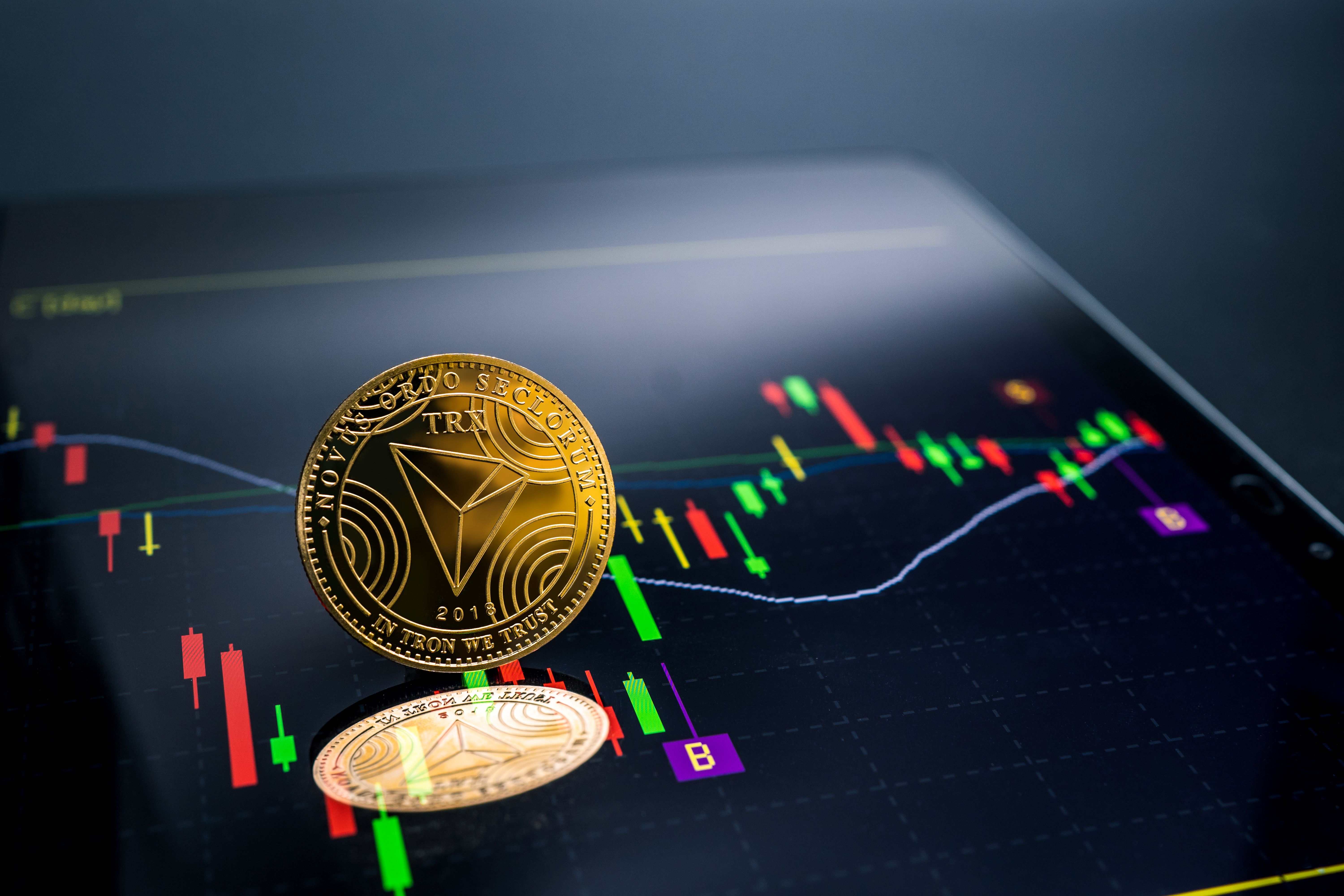
From a market perspective, analysts are closely watching how the fee reduction might affect TRX, Tron’s native token. While fewer TRX tokens will be required per transaction, the expected surge in transaction volume could offset the decrease, potentially boosting overall demand for the token. If Tron successfully attracts more developers, dApps, and enterprise use cases, the utility of TRX could increase significantly, strengthening its long-term value proposition.
This move also creates competitive pressure on other blockchains. Ethereum, despite being the industry leader, has yet to fully resolve its gas fee challenges. Even with scaling solutions like layer-2 rollups and the Ethereum 2.0 roadmap, users still face high costs during network congestion. Binance Smart Chain, while cheaper, is often criticized for centralization. By offering low fees with strong scalability, Tron is emerging as a balanced alternative that appeals to both users and developers.
From a broader perspective, Tron’s decision highlights the evolution of blockchain infrastructure. Early blockchain platforms prioritized decentralization and security but often struggled with efficiency and scalability. Today, the focus has shifted to achieving a balance between all three elements. Tron’s successful reduction in fees without compromising performance demonstrates how the technology is maturing and adapting to the demands of global adoption.

The implications go beyond the crypto community. As governments and regulators explore frameworks for blockchain and digital assets, affordability and accessibility are becoming central themes. By slashing transaction costs, Tron positions itself as a blockchain that aligns with these priorities, potentially easing the path for mainstream recognition and integration into traditional financial systems.
In conclusion, Tron’s 60% reduction in gas fees is far more than a cost-saving measure. It is a deliberate strategy to optimize blockchain transactions, strengthen scalability, and foster global adoption. The move enhances Tron’s dominance in stablecoin transfers, makes DeFi and NFTs more accessible, and creates new opportunities for developers. At the same time, it pressures competitors to innovate and adapt, driving the industry forward.
With this bold step, Tron has signaled that the future of blockchain belongs to networks that deliver not just innovation but also affordability, speed, and accessibility. As adoption grows and more applications migrate to the Tron ecosystem, the blockchain is well-positioned to become a central player in the next era of digital finance. For users, developers, and businesses, this change represents a clear win—marking Tron as one of the most practical and forward-thinking platforms in the industry.